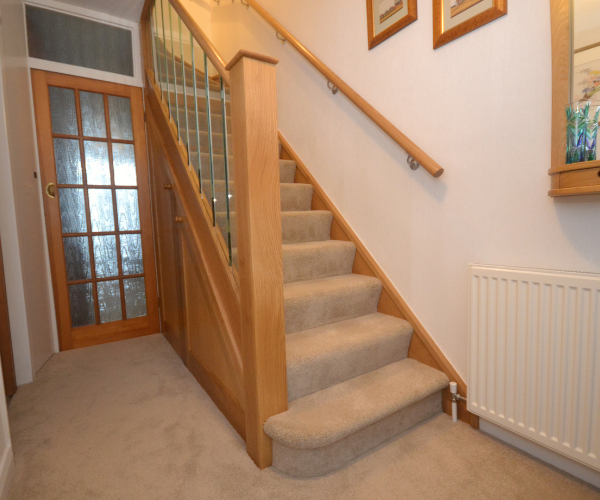
We’ve visited quite a few new-build homes recently, and one thing that continues to surprise us is the quality of some of the joinery, particularly the staircases. When you’re buying a brand-new home, you naturally expect everything to be finished to a good standard. After all, it’s new, but sadly that’s not always the case.
“New” doesn’t necessarily mean every part of the house has been made or fitted to the same standard. When viewing a new build, most of us naturally look at the kitchen, bathrooms, flooring and overall finish. Very few people stop to think about the staircase, internal doors, skirting boards or other joinery. And yet these are parts of the house you will use every single day.
So, whether you’re thinking about buying a new build, waiting for yours to be completed or you’ve recently moved in, here are five things worth looking at a little more closely.
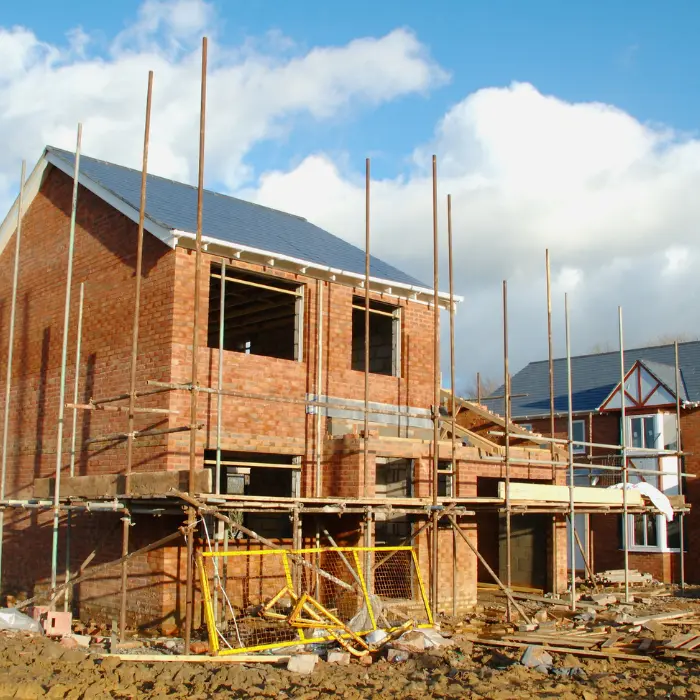
1. Listen to the staircase
Walk up and down the staircase a few times and listen. Does it creak? Does anything move underfoot? Does the staircase feel particularly lightweight or hollow?
A squeaky staircase doesn’t automatically mean there is a serious problem. Timber naturally moves and there can be several causes of a squeak. However, the materials and construction method used can make a difference.
Many mass-produced staircases incorporate engineered timber products such as MDF or plywood rather than being constructed entirely from solid timber. These materials have their place and can produce a perfectly serviceable staircase, but movement between components or poorly fitted joints can result in squeaks developing.
If you’re buying a property, add any noticeable creaks or movement to your snagging list rather than assuming it is simply something you have to live with. In fact, new-build snagging guidance specifically recommends checking that stairs feel secure and noting any creaks.

2. Open and close every internal door
It might sound excessive, but try every door. A properly fitted internal door should open and close smoothly without catching on the frame, dragging across the flooring or swinging open or shut by itself.
Look at the gaps around the door too. Ideally, they should appear reasonably consistent.
Problems with doors can sometimes be relatively simple adjustments, but they can also highlight rushed fitting or movement within a new property. And don’t forget the handles, check they feel secure, that the latch works correctly and that doors close properly rather than needing an extra push. These are small details, but when you’re living in the house every day they quickly become noticeable.

3. Look beyond the paintwork
Fresh paint can make almost any new home look beautifully finished on first viewing. Look a little closer at the joinery underneath it. Check:
- skirting boards
- architraves around doors
- window boards
- door frames
- staircase strings and balustrades
- joints where pieces of timber meet
Are the joints tidy? Are there obvious gaps? Is everything straight? Has caulk been used excessively to hide poorly fitting joints? Small cosmetic imperfections are common in new homes and many can easily be rectified, but good joinery should still look carefully fitted. Poorly fitted doors, skirting and architraves are also regularly identified during new-build snagging inspections.

4. Ask what your staircase is actually made from
This is something very few buyers ask. From a distance, two staircases can look almost identical while being constructed very differently. One might incorporate solid oak components, while another achieves a similar appearance using veneered or engineered materials.
That doesn’t necessarily make one staircase “wrong”. Different materials suit different budgets and applications. What matters is knowing what you’re actually buying. If you’re purchasing off-plan or choosing upgrades through a developer, ask exactly which parts of the staircase are solid timber, veneered, painted MDF or another engineered product.
This becomes particularly important if you already know you are likely to change the staircase later. For example, homeowners often contact us wanting to replace painted balustrades with oak and glass or transform a fairly standard new-build staircase into something much more individual.
Knowing how the existing staircase has been constructed helps establish what can be retained and what may need replacing.
5. Don’t assume a new house doesn’t need snagging
One of the biggest misconceptions about new builds is that, because everything is new, there shouldn’t be anything wrong with them. In reality, snagging is extremely common. Research quoted by the HomeOwners Alliance found that 93.7% of new-build buyers reported snags or defects to their builder after moving in.
That doesn’t mean every new-build house is badly constructed. The majority of issues are often relatively minor and can be put right. It does mean it’s worth checking properly.
If your developer is registered under the New Homes Quality Code, you should also have the opportunity for a pre-completion inspection. The guidance specifically includes checking areas such as joinery as part of that process. If you’re not sure what you’re looking for, you may want to use an independent professional snagging inspector.
Why can the quality vary so much?
Building houses at scale is very different from creating something bespoke in a joinery workshop. A large housing development may involve dozens of different trades and subcontractors working to tight programmes, with components manufactured elsewhere and installed on site.
The aim is understandably to produce homes efficiently and consistently. But wherever work is being completed quickly and by multiple teams, there is more opportunity for variation in fitting and finishing. The NHBC itself notes that finishing defects in new homes can result from pressure to meet deadlines, limited attention to detail or a lack of snagging awareness.
That doesn’t mean you should avoid buying a new build. It simply means you should look beyond the shiny kitchen and freshly painted walls.
Already moved in and don’t love your staircase?
This is something we see quite often. You may love your new home but feel that the standard staircase doesn’t quite match the rest of the property. The good news is that replacing the whole staircase isn’t always necessary. Depending on how the existing staircase has been constructed, it may be possible to upgrade individual elements including:
- new oak handrails
- newel posts
- glass balustrades
- timber spindles
- oak cladding
- treads and risers
- bespoke storage beneath the stairs
A relatively ordinary new-build staircase can often be transformed into something that feels much more individual to your home. At JLA Joinery, we design and manufacture bespoke staircases and staircase renovations from our workshop in Chichester, working with homeowners across West Sussex, East Sussex, Hampshire and Surrey.
If you’re living with a staircase that creaks, feels poorly finished or simply isn’t your style, you’re very welcome to get in touch and talk through the options.